

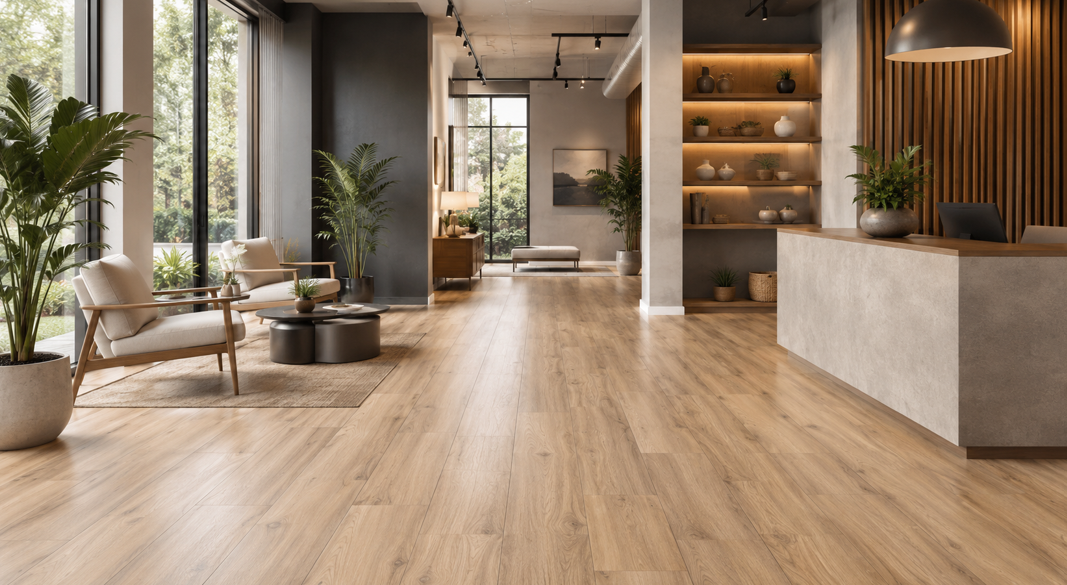
A Practical Flooring Choice for Hazel Green Businesses
A commercial floor does more than cover a room. It shapes the way customers see a business, affects how employees experience the space, and plays a role in daily cleaning and upkeep. For business owners in Hazel Green, the goal is often to find flooring that looks polished, handles regular activity, and delivers strong value without limiting design options.
Commercial laminate can be a smart choice for offices, boutiques, reception areas, studios, rental properties, meeting rooms, and other dry, climate-controlled spaces. Today’s products can recreate the look of oak, hickory, walnut, stone, concrete, and other popular materials while offering a consistent appearance and straightforward care.
Local business owners can work with One on One Flooring and Design to compare flooring based on traffic levels, moisture exposure, maintenance needs, and the overall style of the property. With more than 40 years of experience serving Hazel Green, Huntsville, and the Tennessee Valley, the team understands that commercial flooring needs to perform as well as it looks.
The right laminate product depends on more than color. Commercial-use ratings, wear resistance, subfloor conditions, installation requirements, and warranty coverage all matter. This guide explains where laminate tends to work best, which features deserve attention, how to select a design that supports your business, and how to care for the floor after installation.
Why Laminate Appeals to Commercial Property Owners
A well-chosen floor can help a business feel clean, coordinated, and welcoming. Laminate gives property owners access to a wide range of styles while keeping the project practical for larger areas.
Realistic Wood, Stone, and Concrete Looks
Modern laminate uses detailed printing and textured surfaces to create realistic visuals. Depending on the collection, business owners may find designs inspired by:
Natural oak
Maple
Walnut
Hickory
Reclaimed wood
Limestone
Slate
Concrete
Decorative tile
Some products include varied plank patterns, beveled edges, and registered textures that align the surface feel with the printed grain. These details can give the floor a more convincing, refined appearance.
Laminate is not the same material as solid hardwood or natural stone. Its value comes from providing a stylish alternative with consistent color, predictable sizing, and practical performance. A warm oak look can make an office feel established and inviting, while a concrete-inspired style can support a modern retail or creative space.
Strong Value Across Larger Areas
Commercial projects often cover more square footage than a single residential room. Offices, hallways, reception areas, meeting rooms, and open workspaces can quickly add up. Laminate can help create a cohesive look across these areas while keeping the overall renovation budget balanced.
That balance may leave more room for improvements such as lighting, signage, cabinets, countertops, paint, or furnishings. The best value does not always mean choosing the lowest initial price. It means selecting a product approved for the space, installed correctly, and maintained according to the manufacturer’s recommendations.
Straightforward Daily Care
Many laminate floors can be maintained with regular sweeping, vacuuming on the correct setting, and occasional damp cleaning with an approved product. That can be especially useful for smaller businesses without a dedicated maintenance team.
Entry mats can help capture grit before it reaches the floor. Furniture pads can protect areas beneath desks, chairs, and displays. Prompt spill cleanup can reduce the chance of moisture reaching plank edges.
Consistent Appearance
Because laminate is manufactured, its colors and patterns are generally more predictable than those of many natural materials. That consistency can help connect several rooms or create a uniform look across a commercial property.
Commercial Spaces Where Laminate Can Work Well
Commercial laminate works best when the selected product matches the actual demands of the room. Traffic levels, rolling chairs, exterior entrances, cleaning routines, heavy fixtures, moisture, and subfloor conditions all influence whether laminate is appropriate.
Professional Offices
Private offices, administrative areas, conference rooms, and reception spaces are common settings for laminate. Wood-look planks can add warmth without making the space feel overly residential, especially when paired with clean trim, modern lighting, and professional furniture.
Reception areas deserve special attention because they shape a visitor’s first impression. A coordinated floor can make the space feel more polished and intentional. In workstation areas, chair mats or flooring approved for rolling office chairs may help protect high-use zones.
Retail Boutiques and Light-Use Showrooms
Laminate can work well in boutiques, specialty shops, and light-use showrooms where appearance is an important part of the customer experience. A wide-plank oak visual may create a relaxed, upscale feel, while deeper wood tones can provide contrast behind displays.
Business owners need to consider the weight and movement of shelving, racks, carts, and fixtures. Floating laminate floors require room to expand and contract, so permanent fixtures may need special planning. The flooring manufacturer’s installation instructions provide the final guidance.
Salons, Studios, and Service Businesses
Waiting areas, consultation rooms, photography studios, and lower-moisture areas of salons may also suit laminate. These spaces often benefit from flooring that looks stylish and supports a coordinated brand identity.
Areas exposed to frequent water, hair-color chemicals, or specialized cleaning products need closer evaluation. A salon reception area may work well with laminate, while wash stations may call for a more moisture-focused material. Using different flooring in separate zones can protect performance while maintaining a cohesive appearance.
Rental Offices and Mixed-Use Properties
Property owners may appreciate laminate for its consistent appearance, broad selection, and manageable care requirements. It can help refresh an older office suite or rental property without making the interior feel generic.
Keeping extra flooring from the original production run may also simplify future repairs or layout changes. This is particularly useful when tenants change, walls move, or a damaged plank needs replacement.
Spaces That Require Additional Evaluation
Standard laminate may not be the most suitable choice for:
Commercial kitchens
Wet restrooms
Shower areas
Laundry facilities
Entrances exposed to repeated standing water
Industrial work areas
Spaces with heavy rolling equipment
Rooms with frequent chemical exposure
This does not mean laminate is an unsuitable commercial product. It means the floor needs to match the conditions. A flooring specialist can recommend alternatives when moisture, weight, sanitation, or operational demands exceed a laminate product’s specifications.
Performance Features Worth Comparing
A beautiful sample may catch your attention, but commercial flooring decisions need to begin with performance. Product specifications and warranty terms can help determine whether a particular floor is designed for the property.
Business owners can explore laminate flooring in wood, stone, and contemporary styles, then narrow the options by commercial rating, moisture protection, maintenance needs, and warranty coverage.
Commercial-Use Classification
Laminate products may include an abrasion class, commonly called an AC rating. In simple terms, this rating indicates how well the surface is designed to withstand wear.
Many commercial projects consider AC4 or AC5 laminate, depending on the traffic level and the manufacturer’s approved use. An AC4 product may suit certain light to moderate commercial environments, while AC5 products are commonly designed for more demanding use.
The rating is helpful, but it is not the only measure that matters. Plank construction, locking systems, moisture exposure, installation requirements, and warranty coverage also affect long-term performance.
The most reliable approach is to select a product approved for the intended commercial environment rather than choosing by color or thickness alone.
Wear and Scratch Resistance
Laminate includes a protective top layer that helps the surface withstand ordinary foot traffic, dirt, chair movement, and daily commercial activity.
Scratch-resistant does not mean scratch-proof. Grit, rough furniture feet, dragged fixtures, and unprotected rolling chairs can still leave marks. Quality entrance mats, furniture pads, and regular cleaning help protect the finish.
High-traffic areas may require additional planning. Reception desks, checkout areas, corridors, and frequently used workstations often receive more wear than the surrounding floor.
Moisture Resistance
Moisture protection varies between products. Some laminate is intended for dry areas, while other collections include water-resistant construction, treated edges, tighter locking systems, or enhanced moisture warranties.
Not every laminate floor is waterproof. Some warranties limit how long a spill may remain on the surface or exclude certain commercial areas. Installation methods and perimeter sealing may also affect coverage.
Businesses near exterior entrances, break rooms, sinks, or cleaning stations need to review these details carefully. A product with enhanced moisture resistance may provide additional confidence, but it still needs to be used within the manufacturer’s guidelines.
Plank Thickness and Construction
Thicker laminate may feel more substantial underfoot and can sometimes help reduce the effect of minor subfloor variations. However, thickness alone does not determine quality or commercial suitability.
A thinner product approved for commercial use may be more appropriate than a thicker residential-only floor. The complete construction, wear layer, locking system, commercial classification, and warranty provide a better picture of performance.
Slip Considerations
No flooring surface can be described as completely slip-proof. Entrance conditions, wet shoes, cleaning products, surface texture, and footwear all affect traction.
Businesses with specific safety requirements can review published product testing and consider how the floor will be used. Quality walk-off mats, suitable cleaning methods, and prompt spill removal can also support safer daily operation.
Commercial Warranty Coverage
Commercial warranties often differ from residential warranties. Before choosing a product, review:
Approved commercial settings
Length of coverage
Traffic limitations
Moisture exclusions
Installation requirements
Required cleaning methods
Transferability
Damage that is not covered
A warranty does not replace correct installation or proper care, but it provides useful information about how the manufacturer expects the floor to perform.
Choosing a Look That Supports Your Business
Flooring can reinforce a company’s identity and influence the way customers experience the property. The best color and pattern depend on the atmosphere the business wants to create.
Warm and Traditional
Medium wood tones can make a space feel welcoming and established. Honey oak, natural hickory, and warm brown finishes often complement classic furniture, cream walls, traditional trim, and warm lighting.
This style may work well in professional offices, consultation rooms, financial services businesses, local boutiques, and family-owned companies that want an inviting appearance.
Light and Contemporary
Pale oak, light maple, and soft neutral finishes can help a room feel open, fresh, and modern. These floors often pair well with white cabinetry, streamlined furniture, black accents, and natural light.
Light flooring may also help visually expand a smaller office or retail space. It can create a clean foundation without making the interior feel cold or overly minimal.
Dark and Refined
Deep walnut, espresso, and rich brown finishes can create a sophisticated setting in executive offices, formal reception areas, and upscale retail spaces.
Dark surfaces may show dust, lint, and light debris more readily than mid-tone floors. Viewing a larger sample in the property can help determine whether the appearance and maintenance expectations suit the business.
Concrete and Stone-Inspired Styles
Concrete-look and stone-look laminate can support modern retail spaces, studios, creative offices, and minimalist interiors. These visuals can add architectural character while offering different installation and care requirements from natural stone or poured concrete.
Coordinating the Entire Interior
Before selecting a color, compare the flooring with:
Wall paint
Cabinets
Countertops
Trim
Furniture
Lighting
Branding colors
Adjacent flooring
A sample viewed under showroom lighting may appear different in a north-facing office or beneath warm commercial fixtures. Looking at larger samples inside the property helps reveal undertones and makes the decision more reliable.
Consider the direction of the plank as well. In many spaces, running planks along the longest wall or toward the main source of natural light can create a balanced appearance. The final layout depends on the room shape, transitions, and installation requirements.
Installation Planning for Commercial Properties
A quality laminate product still depends on appropriate preparation and installation. Commercial projects also require coordination around opening hours, customer access, furniture, deliveries, and other renovation work.
Inspecting the Subfloor
The subfloor needs to be clean, dry, stable, and reasonably level. Uneven areas can affect the way laminate planks connect, potentially leading to movement, noise, or early wear.
Concrete subfloors may require moisture testing before installation. Existing flooring also needs evaluation to determine whether it can remain in place or needs to be removed.
An early inspection allows preparation requirements to be identified before materials arrive. This can reduce unexpected interruptions once installation begins.
Planning Around Business Operations
Before scheduling installation, consider:
Business opening hours
Customer entrances
Delivery schedules
Furniture removal
Employee workstations
Access to restrooms and break rooms
Other remodeling projects
Time required before furniture returns
Some businesses install flooring in phases, allowing part of the property to remain operational. Others schedule work during slower days or temporarily close the affected area.
A clear plan helps protect materials, gives installers the access they need, and keeps employees and customers informed.
Selecting the Correct Underlayment
Underlayment may provide cushioning, sound reduction, or moisture management, depending on the product and installation method. Some laminate includes an attached pad, while other products require a separate layer.
The manufacturer’s approved underlayment is important. An unsuitable option may affect the locking system, floor movement, sound, or warranty coverage.
Sound control may deserve particular attention in upstairs offices, multi-tenant buildings, conference rooms, and properties where noise transfers between floors.
Allowing for Natural Movement
Laminate responds to changes in indoor temperature and humidity. Installers generally leave the required expansion space around walls, columns, door frames, and other fixed objects so the floor can move naturally.
Larger commercial areas may require transition points or additional expansion allowances. These details depend on the product instructions, room dimensions, and property layout.
Permanent cabinets, heavy fixtures, or built-in displays also need consideration. A floating laminate floor generally cannot move freely when it is trapped beneath fixed structures.
Keeping Commercial Laminate Looking Its Best
A practical maintenance routine can help laminate retain its appearance and support long-term performance.
Control Dirt at Exterior Doors
Dirt and grit can act like sandpaper beneath shoes. Quality walk-off mats at exterior entrances can reduce the amount of debris carried onto the floor.
Mats need to be cleaned regularly so trapped particles do not return to the surface. Check that the mat backing is suitable for laminate and will not stain or discolor the finish.
Sweep or Vacuum Regularly
Routine removal of dust and debris helps prevent surface scratching. Use a soft broom, microfiber dust mop, or vacuum setting approved for hard floors.
Avoid vacuum attachments with damaged wheels or aggressive brushes that could mark the surface.
Clean Spills Promptly
Even moisture-resistant laminate benefits from quick spill cleanup. Use a soft, absorbent cloth and follow the manufacturer’s instructions for any additional cleaning.
Avoid flooding the floor or leaving wet mops in one area. Excessive water may reach the plank edges or work into expansion spaces.
Use Approved Cleaning Products
Harsh chemicals, abrasive pads, waxes, polishes, and steam cleaners may not be suitable for laminate. The manufacturer’s care guide will identify recommended products and methods.
Using the right cleaner helps preserve the finish without leaving residue that can make the floor look dull or affect traction.
Protect Furniture and Rolling Chairs
Place suitable pads beneath desks, chairs, displays, tables, and movable fixtures. Check the pads regularly because dirt can become trapped beneath them.
Rolling office chairs can concentrate repeated pressure in one area. Chair mats or wheels approved for hard-surface flooring may provide additional protection.
Keep Spare Material
Consider ordering extra flooring from the same production run. Spare planks can be useful if isolated damage occurs or the commercial layout changes later.
Store additional material flat in a dry, climate-controlled location. Finding an exact match can become challenging if the style or color is discontinued.
Selecting Commercial Laminate with Confidence
The best commercial laminate is not simply the most attractive sample or thickest plank. It is the product that balances style, approved use, wear resistance, moisture needs, care requirements, and project value.
Before visiting a showroom or scheduling a consultation, gather a few practical details:
Type of business
Approximate daily foot traffic
Total square footage
Existing flooring and subfloor
Number of exterior entrances
Moisture or spill concerns
Current cleaning routine
Furniture and equipment
Preferred colors and styles
Expected project schedule
Comfortable budget range
These details help a flooring specialist identify suitable products more efficiently. They also make it easier to compare commercial warranties and determine whether standard, water-resistant, or more specialized flooring is appropriate.
Business owners may also want to bring paint samples, cabinet colors, countertop samples, photographs, or branding materials to the showroom. Comparing these elements beside flooring samples can make the overall design feel more intentional.
One on One Flooring and Design carries many showroom products that may not appear in its online catalog. Visiting the store provides an opportunity to compare additional colors, textures, plank sizes, and performance levels in person.
Commercial laminate can be a beautiful, durable, and practical option for many Hazel Green properties. When the selected product matches the demands of the space and the installation follows manufacturer requirements, it can create a polished foundation for customers, employees, and everyday operations.
Ready to compare flooring for an office, boutique, rental property, or commercial project? Get in touch with the local team for personalized guidance based on your space.


